- news
- updates
- collectibles
Scalpers Are Changing the Collectibles Market
joeyvowels ·
If you have tried buying Pokémon cards, sports card boxes, sneakers, or limited collectibles over the last few years, you have probably run into the same problem.
.jpg)
Everything sells out instantly.
And then it reappears online at double the price.
Scalping has become one of the most talked-about issues in the collectibles space, especially as demand for limited products continues growing.
But the conversation around scalpers is more complicated than most people think.
Because while scalping creates frustration for collectors, it is also a sign of how strong the market has become.
.jpg)
At its core, scalping exists because demand exceeds supply.
When collectors believe a product has:
Strong resale value
Limited print runs
Long-term collector demand
Short-term hype
people rush to buy as much as possible before inventory disappears.
That creates the cycle we see constantly today:
Products sell out immediately
Retail shelves get cleared
Online prices spike
Collectors complain about availability
This has happened across:
Pokémon
One Piece
Sports cards
Sneakers
Funko
Gaming collectibles
and almost every major collectible category.
.jpg)
Pokémon has become one of the clearest examples of modern scalping behavior.
Popular releases like:
Prismatic Evolutions
Special ETBs
Anniversary products
Promo collections
often disappear from shelves within hours.
Many collectors never even get a chance to buy at MSRP.
Instead, they are forced to:
Pay resale prices
Wait for restocks
Buy singles instead of sealed product
That frustration has become a major part of the modern Pokémon experience.
One of the reasons collectors get frustrated is because many scalpers are not actually participating in the hobby long term.
They are participating in arbitrage.
The product itself is secondary.
The goal is simply:
Buy low.
Sell high.
Move quickly.
That creates tension between:
Collectors who want to open product
Investors holding sealed inventory
Resellers flipping short-term supply
All three groups now exist in almost every collectible ecosystem.
As frustrating as scalping can be, it also reflects something important:
People care.
Products do not get scalped if nobody wants them.
The reason Pokémon, One Piece, and certain sports products are constantly sold out is because demand remains extremely high.
That demand helps:
Grow communities
Increase visibility
Expand collector ecosystems
Drive secondary markets
In many ways, scalping is a side effect of success.
The challenge is finding the balance.
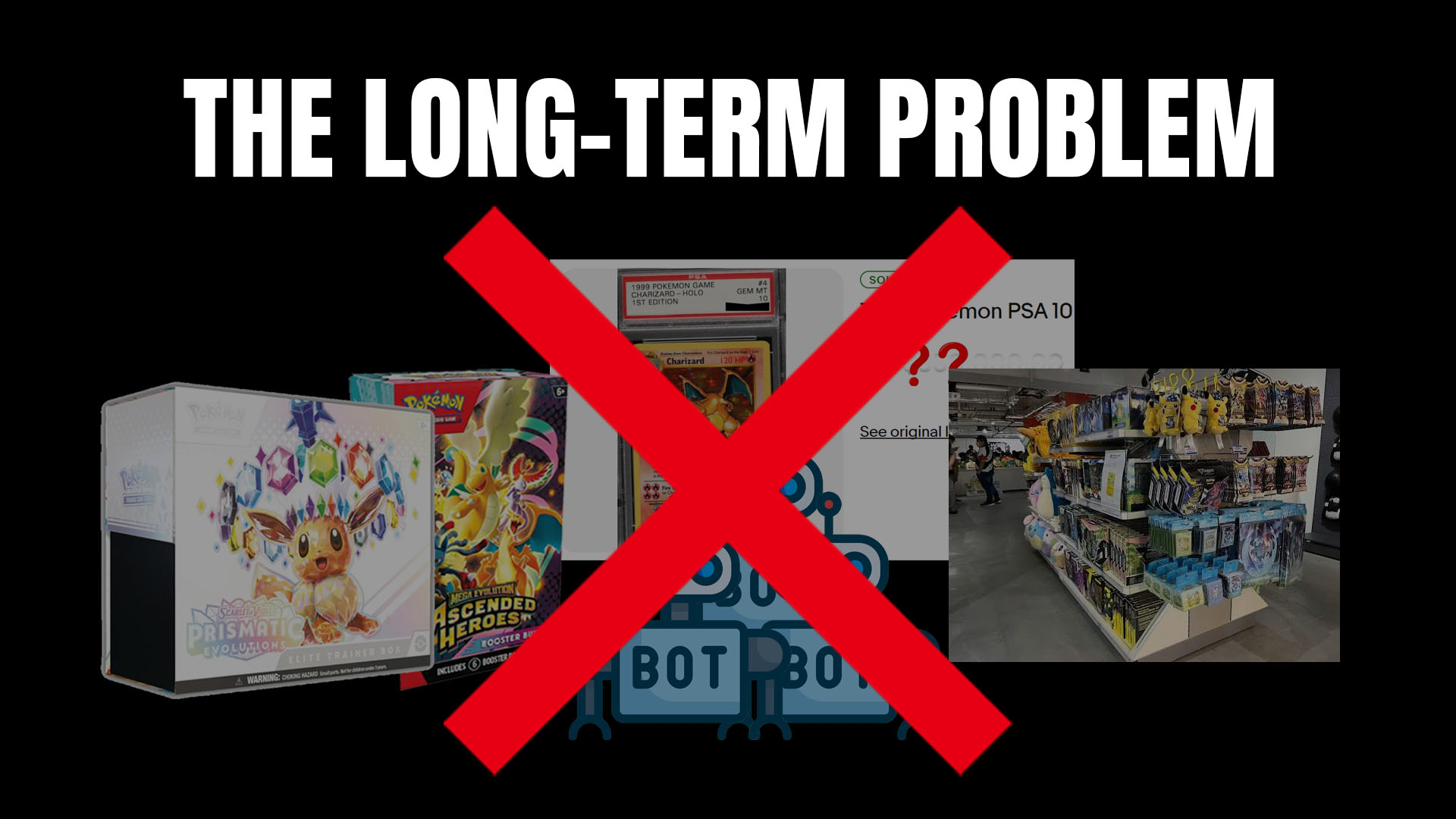
The biggest issue happens when scalping begins pushing actual collectors away from the hobby.
If younger or casual collectors constantly feel like:
They cannot find product
Prices are too high
Everything is botted
Retail is impossible
eventually they stop participating altogether.
That hurts long-term ecosystem growth.
Healthy collectible markets need:
Accessibility
New collectors
Affordable entry points
Sustainable excitement
Without that balance, the hobby risks becoming too financially driven.
Many companies are already responding to the issue.
We are seeing:
Increased print runs
Purchase limits
Lottery systems
Direct-to-consumer drops
Exclusive online releases
Some products are intentionally becoming more available to reduce extreme resale pressure.
At the same time, companies also understand scarcity helps maintain excitement.
That creates a difficult balancing act.
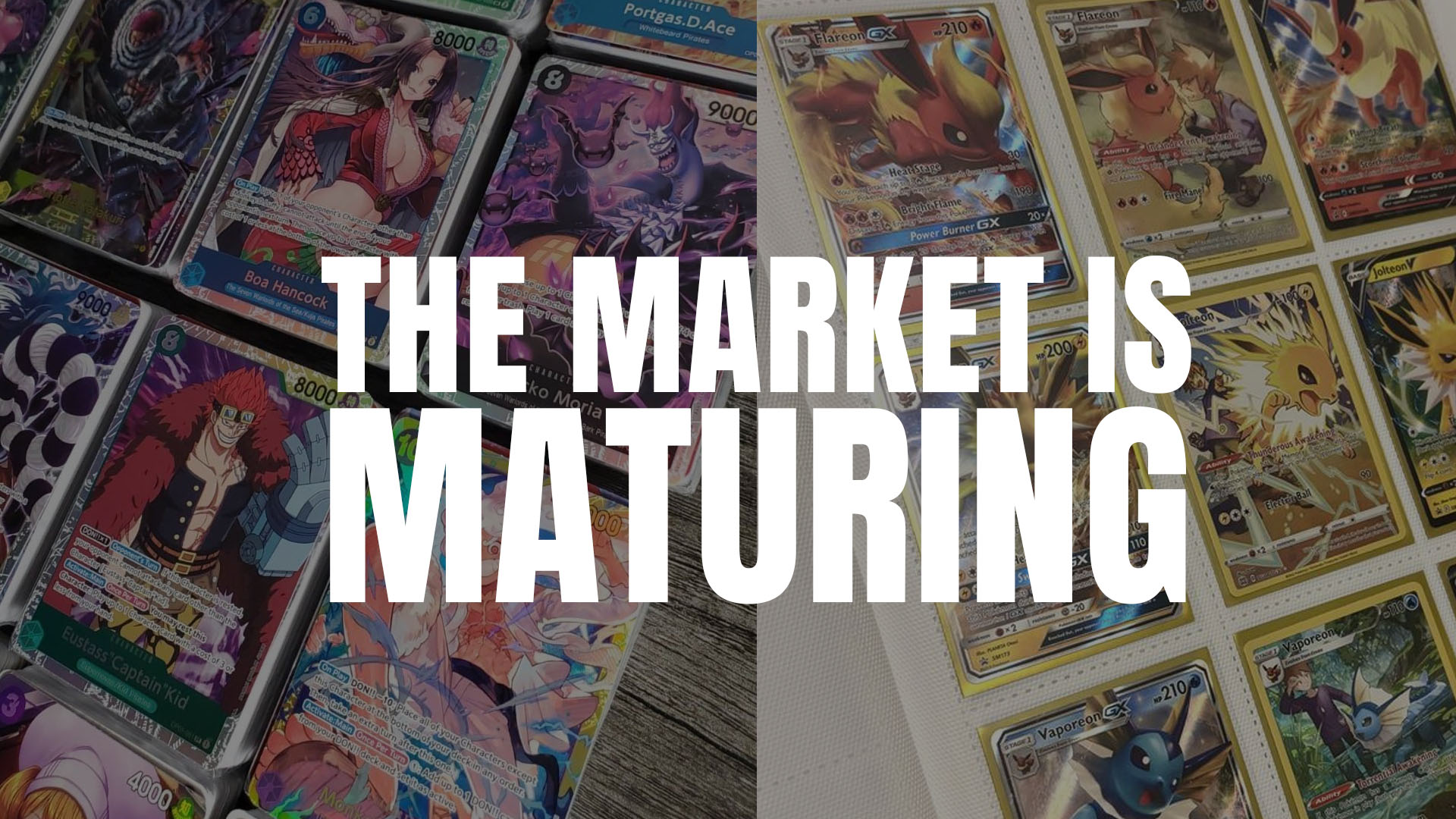
The collectibles industry is much larger than it was five years ago.
More money.
More visibility.
More global buyers.
More content creators.
More marketplaces.
Scalping is part of that evolution.
The modern collectibles market now operates much closer to:
Streetwear
Sneaker culture
Ticketing markets
Limited luxury drops
than the hobby shops many collectors grew up with.
Scalpers are not going away.
As long as collectible products carry strong demand and resale value, people will continue trying to capitalize on limited supply.
The real challenge for the industry is maintaining balance.
Collectors need excitement.
Companies need demand.
But the hobby also needs accessibility.
Because at the end of the day, the strongest collectible ecosystems are the ones that still make room for the next generation of collectors.