- news
- basketball
- sports
- NBA
- collecting
What’s Hot in Sports Cards Right Now
joeyvowels ·
Wemby, Cooper Flagg, Fanatics, and the New Era of Collecting
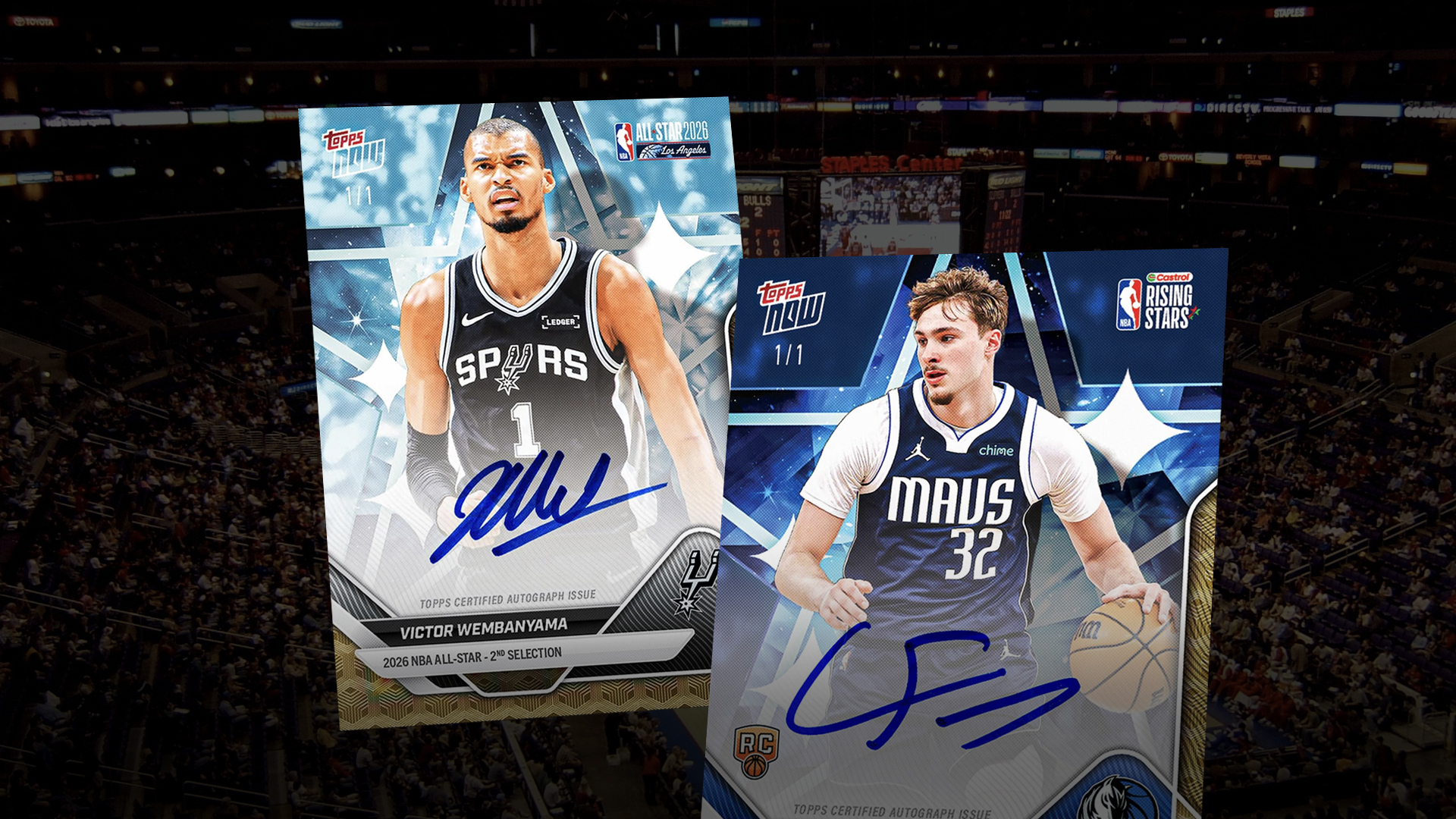
The days of collectors only caring about vintage legends and Hall of Famers are long gone. Today, the hobby moves around hype, social media, prospecting, and the next breakout athlete.
In 2026, there are a few names and trends driving the market more than anything else.
Victor Wembanyama, Cooper Flagg, Fanatics, grading shifts, and the rise of women’s sports are all helping shape the next era of collecting.
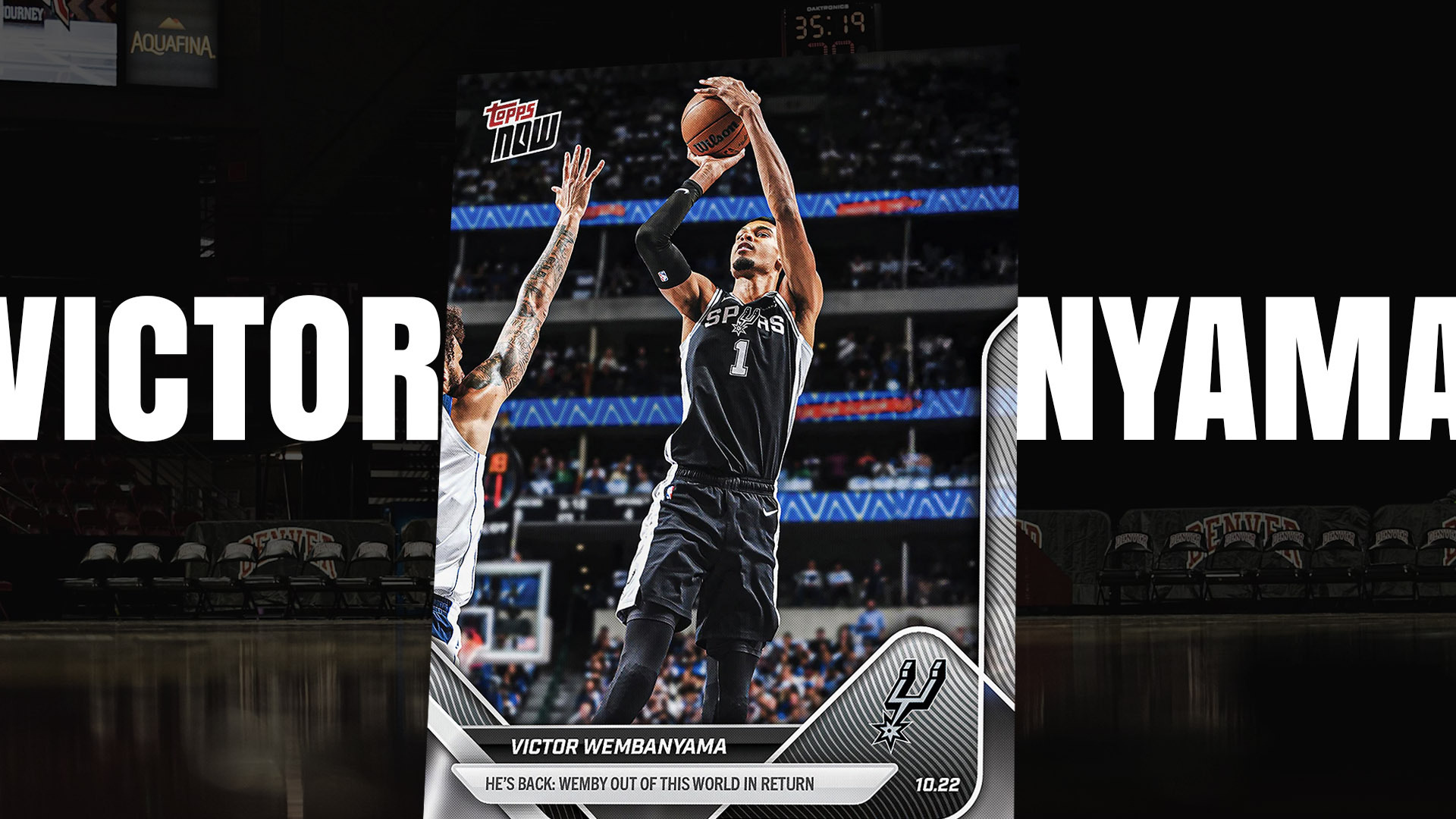
Victor Wembanyama has become the face of modern basketball cards.
Collectors are chasing everything from his base rookies to ultra-rare parallels, autographs, and one-of-ones.
The reason is simple.
Wemby looks like the kind of player who could define the next generation of basketball.
When collectors believe a player has all-time potential, they tend to buy early and buy aggressively.
That is exactly what has happened with Wembanyama.
Even lower-end rookie cards are staying strong, while high-end rookie patches and serial-numbered cards continue to break records.
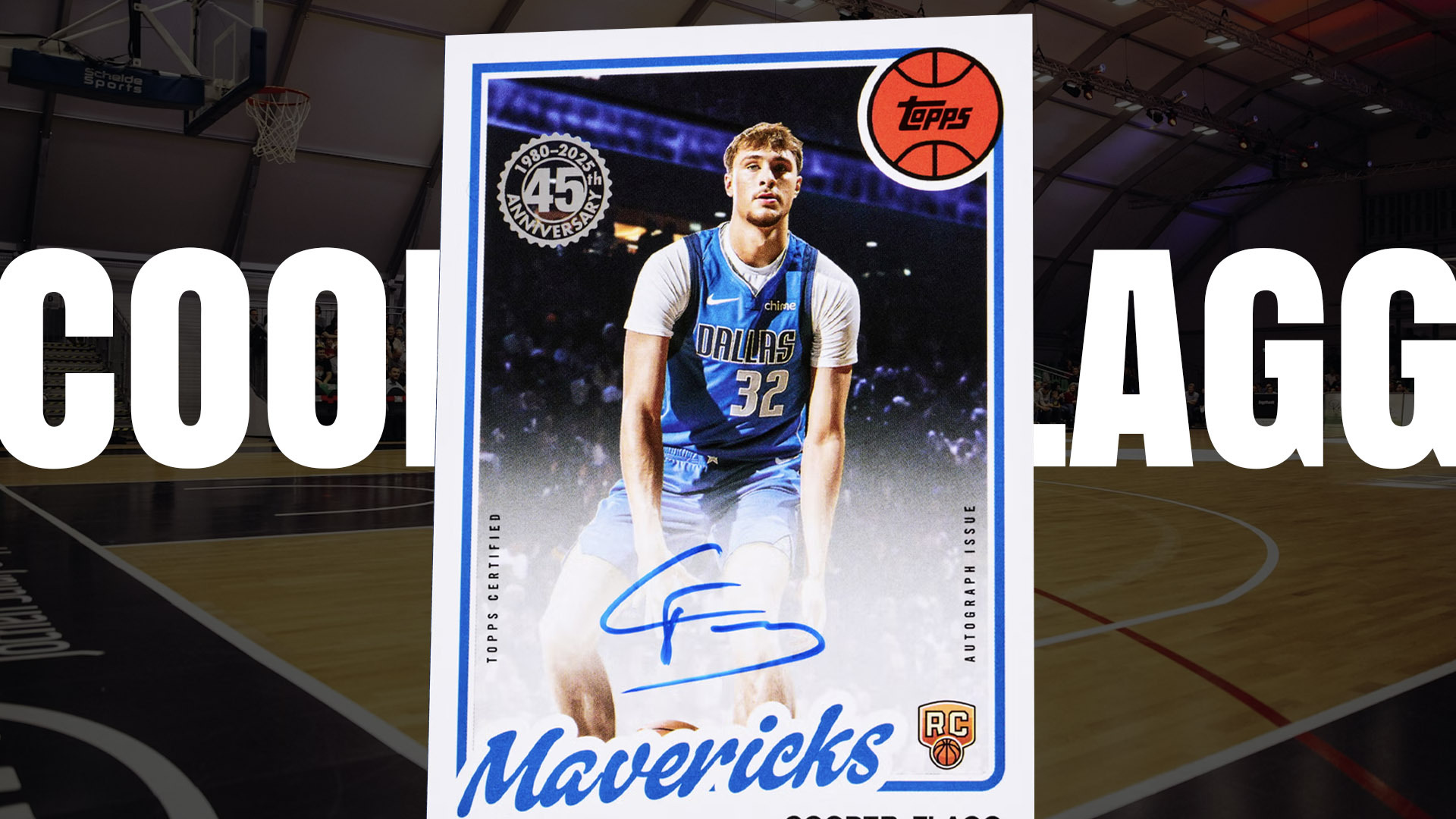
Before Cooper Flagg even reached the NBA, he was already becoming one of the hottest names in sports cards.
Collectors see him as the next great American basketball prospect.
Cooper Flagg memorabilia already setting records, including a $1 million debut jersey sale: Cooper Flagg Jersey Breaks Record
That has led to huge demand for early autograph cards, Bowman products, USA Basketball cards, and any rare Cooper Flagg release.
The hype around Flagg is similar to what the hobby saw with Wembanyama, LeBron James, and Zion Williamson.
Collectors want to get in before the market explodes.
Because of that, Cooper Flagg cards are becoming some of the most graded and most talked-about modern cards in the hobby.
Fanatics is becoming one of the most important companies in sports cards.
With control over licenses, products, live events, breaking, and marketplaces, Fanatics is building an ecosystem that touches nearly every part of the hobby.
Some collectors love it because it creates more mainstream attention and brings more money into the market.
Others are worried that too much control could limit competition.
Either way, Fanatics is changing how collectors buy, sell, break, grade, and experience sports cards.
The company is also making sports cards feel more like entertainment.
That shift is one of the biggest reasons the hobby continues to grow.
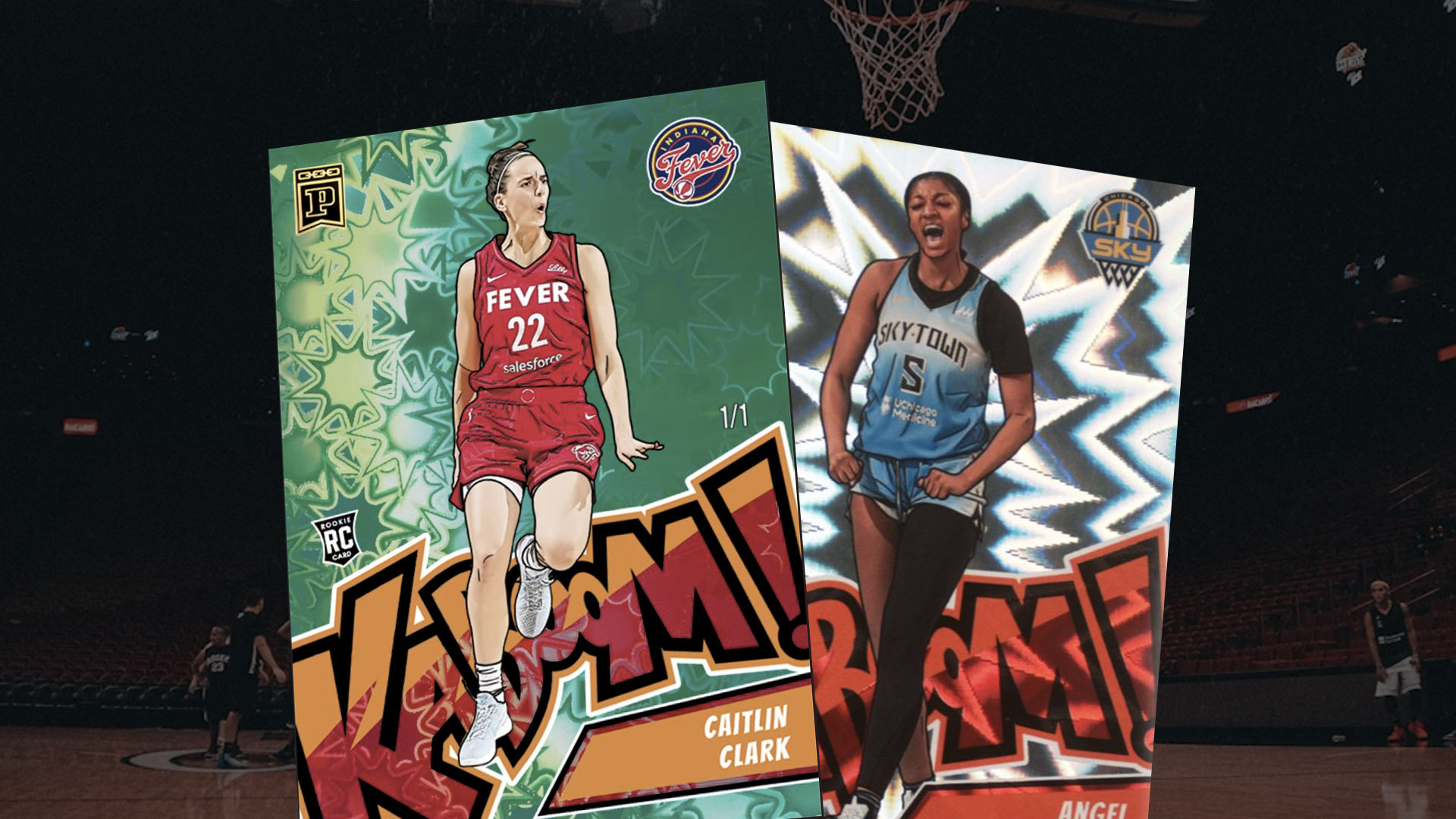
One of the most exciting trends in the hobby is the growth of women’s sports cards.
Athletes like Caitlin Clark, Angel Reese, Sabrina Ionescu, and top soccer stars are bringing new energy into the market.
Collectors who once focused only on basketball, football, and baseball are now expanding into women’s sports because the demand, scarcity, and growth potential are becoming impossible to ignore.
Women’s sports cards are still relatively early compared to traditional categories, which means many collectors see them as one of the biggest opportunities in the hobby today.
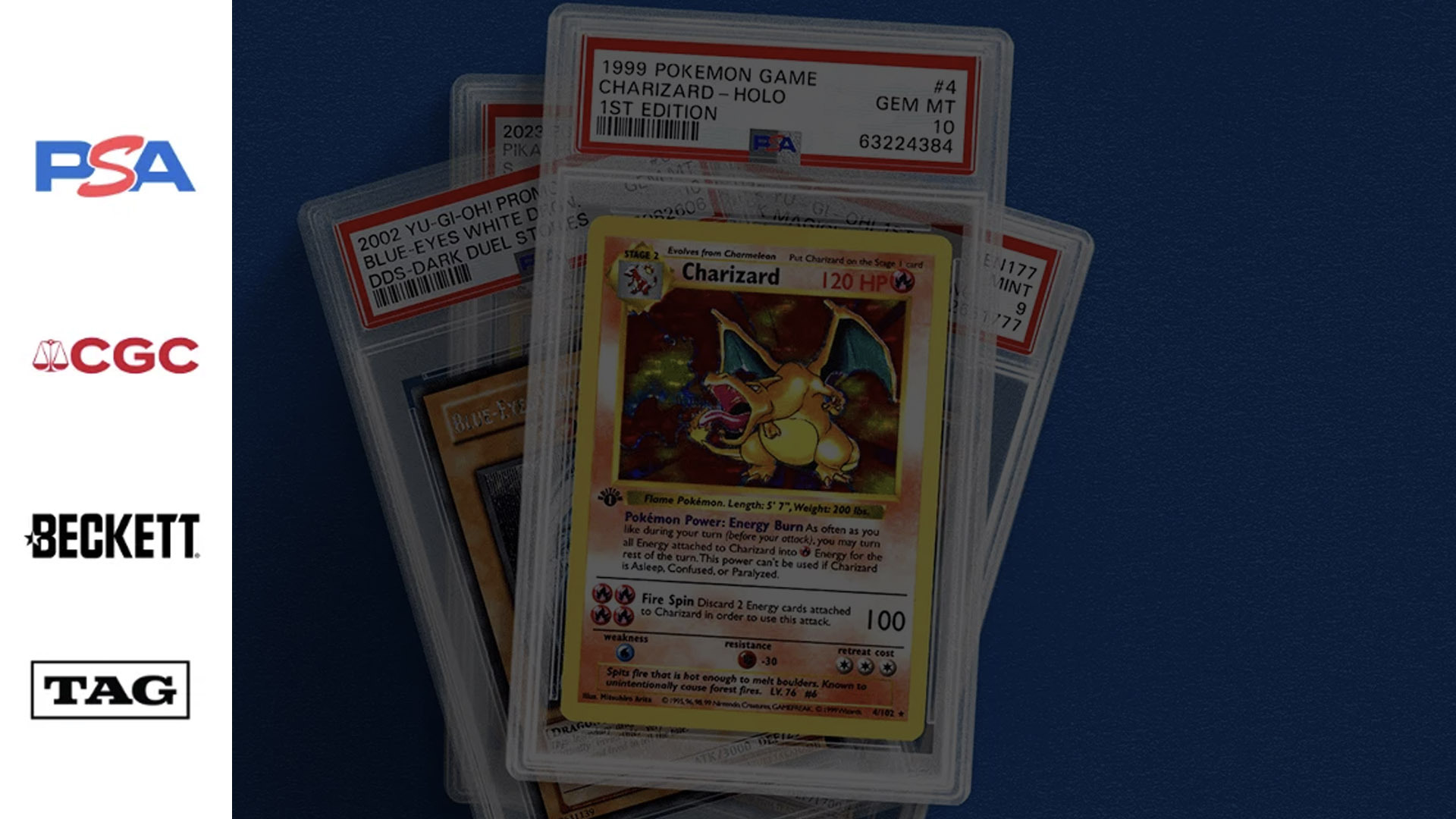
Collectors are also becoming more selective about what they grade.
A few years ago, people were sending everything to grading companies.
Today, collectors are more focused on cards that have strong long-term upside, clean condition, and real scarcity.
At the same time, grading is becoming more important for modern cards because population reports are growing so quickly.
Collectors want to know exactly how rare a PSA 10, BGS 10, or TAG 10 really is before they buy.
That means population counts, gem rates, and serial numbers matter more than ever.
The hobby is moving faster, getting smarter, and becoming more data-driven.
For collectors, that creates both opportunity and risk.
The winners are usually the people who understand where attention is going before everyone else does.