- news
- blockchain
- crypto
- tokenization
- collectibles
Why Tokenized Collectibles Are Having a Moment Again
Andrea ·
Tokenized collectibles are becoming one of the fastest-growing categories in both crypto and collecting.
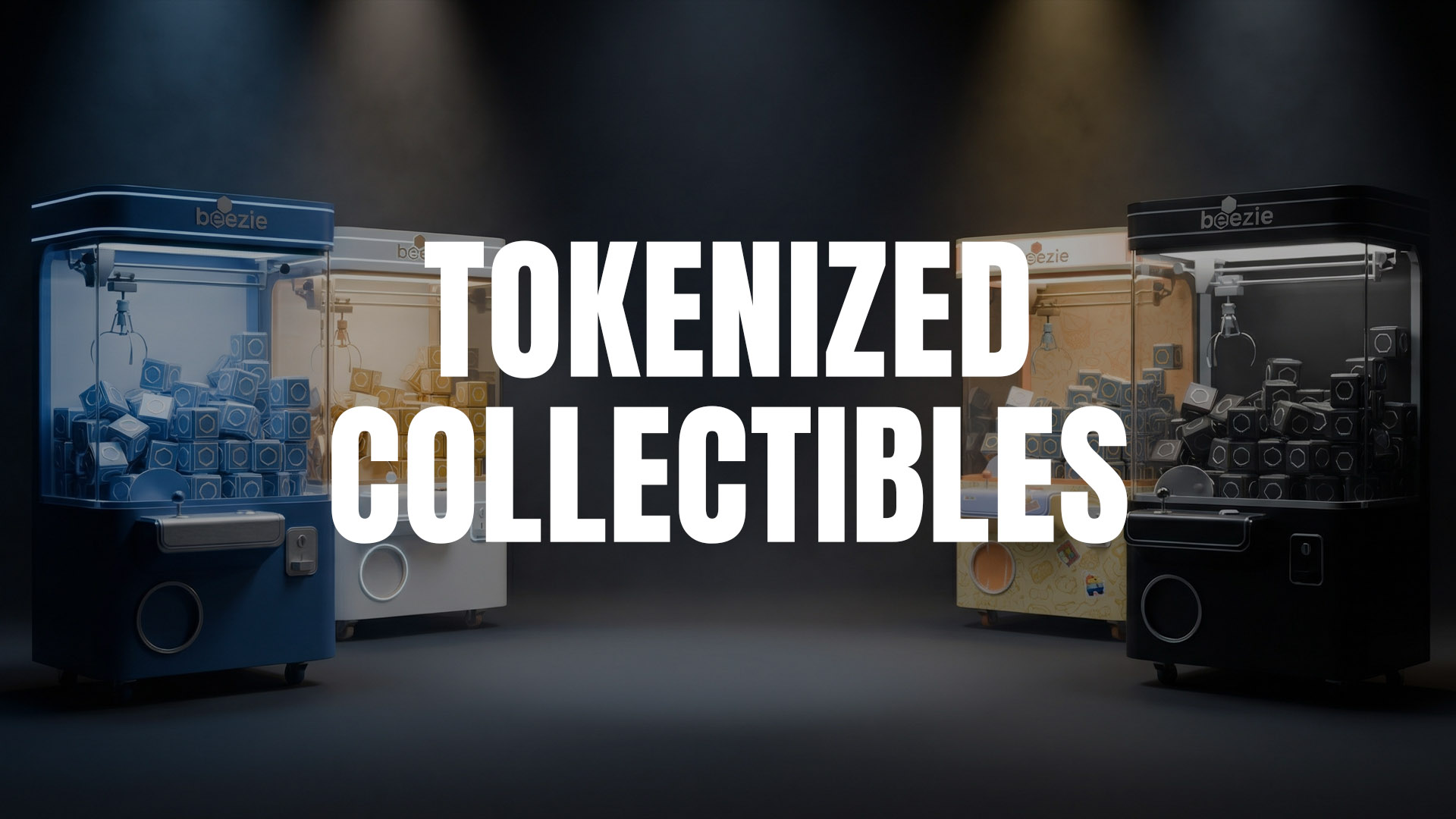
For years, collectibles were mostly physical.
You bought the card, graded it, stored it, shipped it, insured it, and eventually sold it.
Now, that process is changing.
Tokenized collectibles are becoming one of the fastest-growing categories in both crypto and collecting. From Pokémon cards and sports memorabilia to watches, wine, and art, more physical assets are moving onchain.
The idea is simple.
A physical collectible is authenticated, vaulted, insured, and linked to a digital token that represents ownership. That token can then be bought, sold, traded, or transferred instantly without moving the physical item every time.
For collectors, it solves a lot of problems.
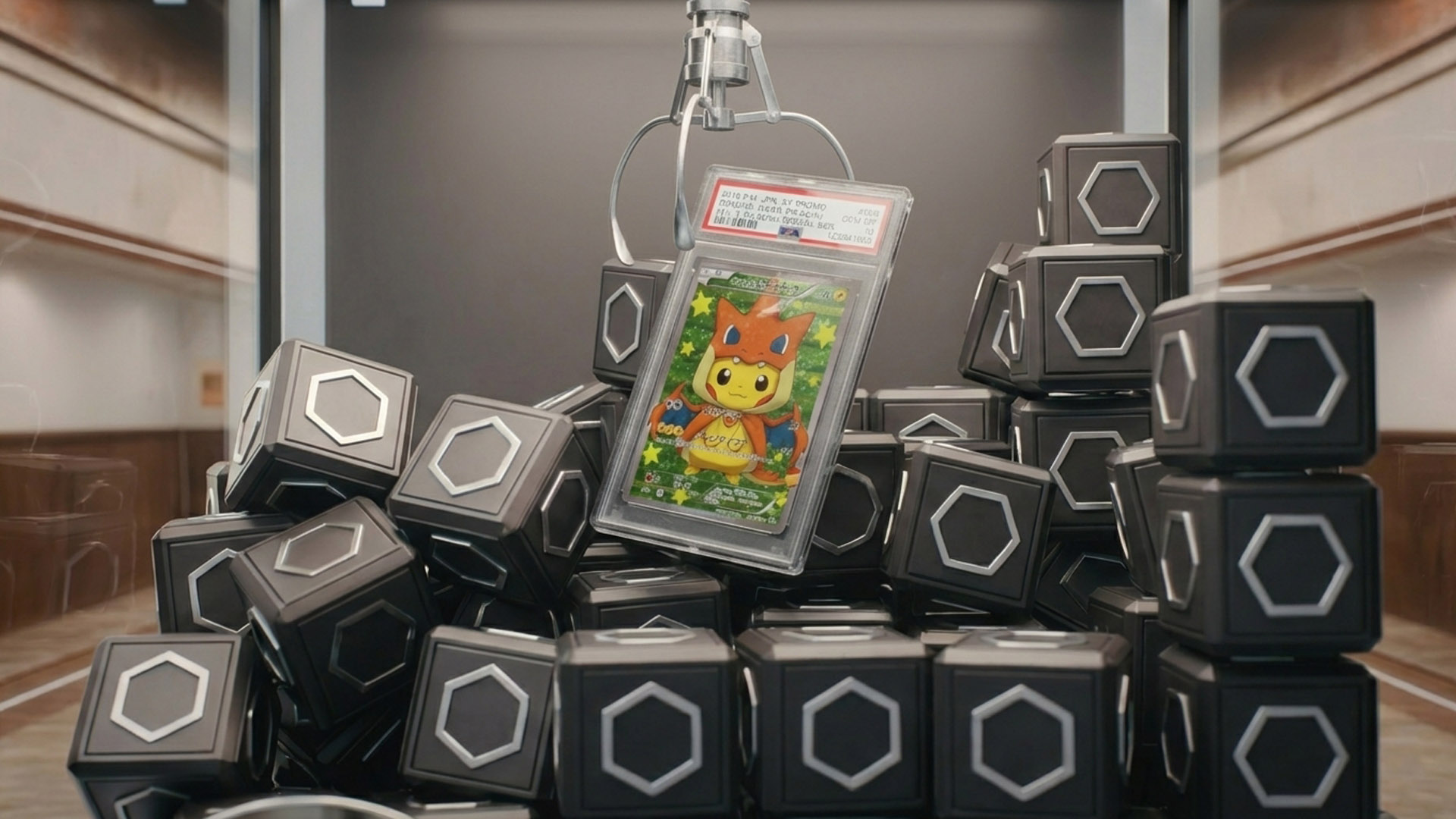
One of the biggest challenges with physical collectibles has always been liquidity.
Selling a card or collectible traditionally means listing it, finding a buyer, shipping it, waiting for payment, and hoping everything goes smoothly.
Tokenization removes a lot of that friction.
Instead of physically moving a collectible every time it changes hands, ownership can transfer digitally while the item stays vaulted and protected.
That creates:
Faster transactions
Lower shipping risk
Better price discovery
More liquidity
Easier global access
Platforms like Beezie have helped make this model more mainstream by allowing collectors to buy and sell tokenized Pokémon cards, sports cards, and other vaulted collectibles directly onchain.
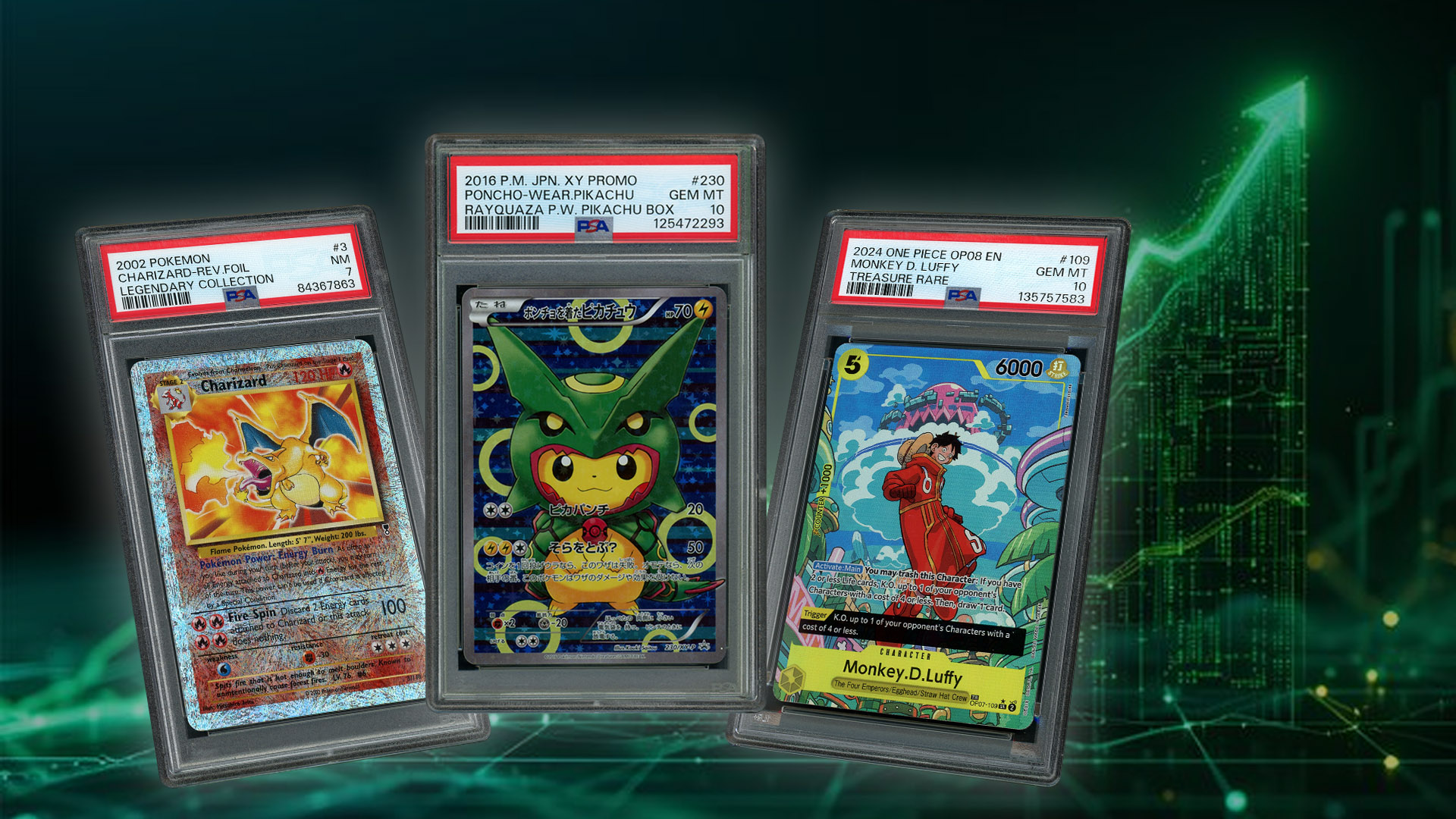
This is not just a niche crypto trend anymore.
The broader tokenized real-world asset market has grown rapidly over the last year.
According to RWA.xyz data, the total value of tokenized real-world assets surpassed $26 billion in early 2026, up from roughly $6.6 billion a year earlier.
While most of that value is currently tied to categories like private credit, commodities, and U.S. Treasurys, collectibles are starting to become a meaningful piece of the conversation.
Physical collectibles alone represent a massive market opportunity.
Chainlink estimates that physical collectibles including cards, watches, sneakers, art, and sports memorabilia represent roughly $462 billion in value globally.
As more collectors become comfortable with digital ownership, tokenized collectibles are becoming easier to understand.
Collectors no longer need to think of tokenization as replacing physical ownership.
Instead, it is becoming a way to improve physical ownership.
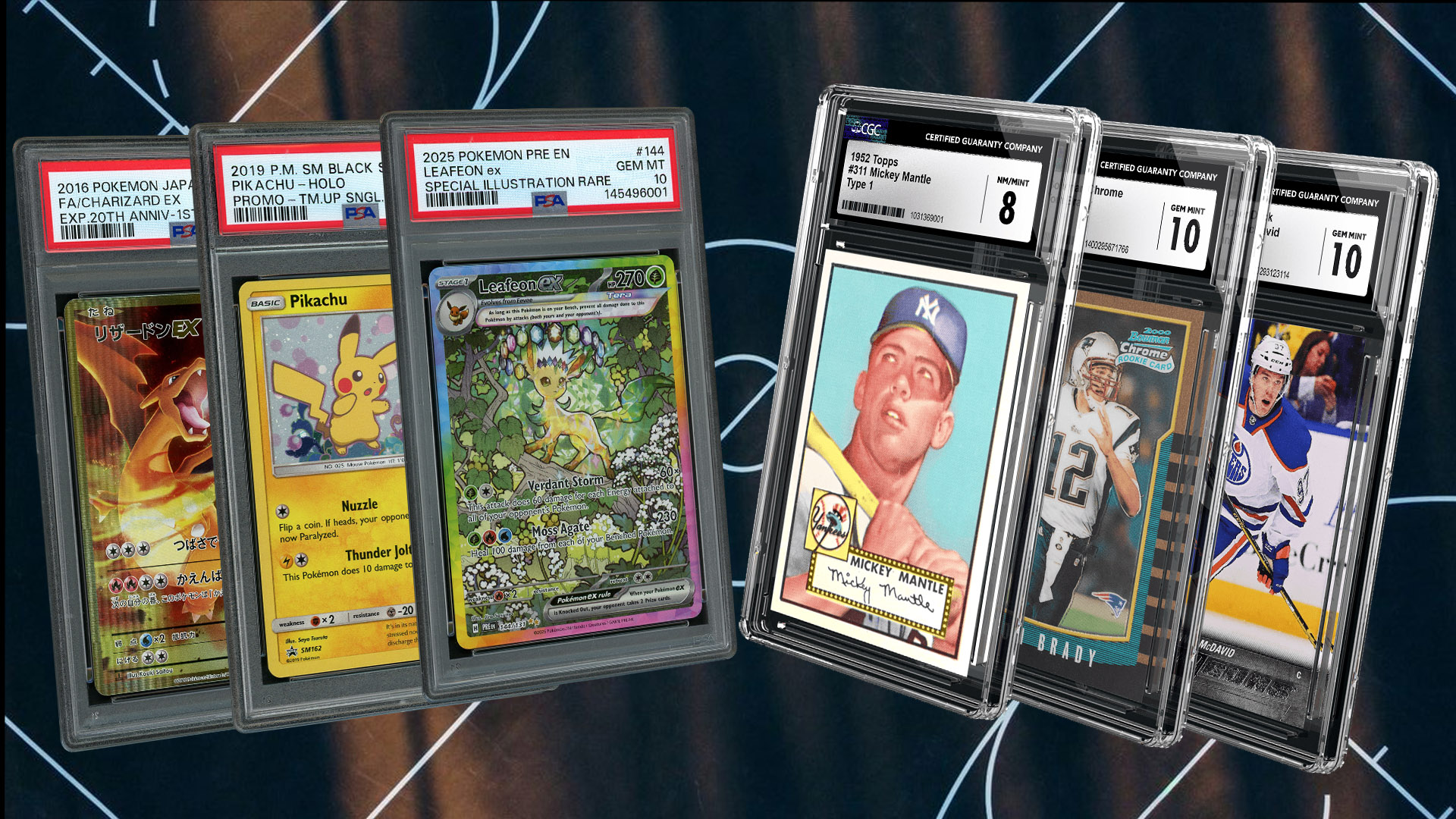
Trading cards have become one of the biggest use cases for tokenized collectibles.
Pokémon cards, sports cards, comic books, and sealed product all work particularly well because they are already:
Highly collectible
Easy to authenticate
Frequently graded
Often stored in vaults
Bought and sold globally
That is why tokenized Pokémon cards have become one of the fastest-growing categories in crypto collectibles.
Some platforms are now offering tokenized versions of graded Pokémon cards, while others are launching entire funds built around collectible card ownership.
In March, Hong Kong-based digital asset firm MemeStrategy announced plans to launch a tokenized fund dedicated to Pokémon trading cards.
Meanwhile, tokenized collectible platforms continue to grow their scale.
According to 4Pillars, some collectible tokenization platforms have already tokenized more than 60,000 cards, processed over 500,000 transactions, and generated more than $30 million in trading volume.
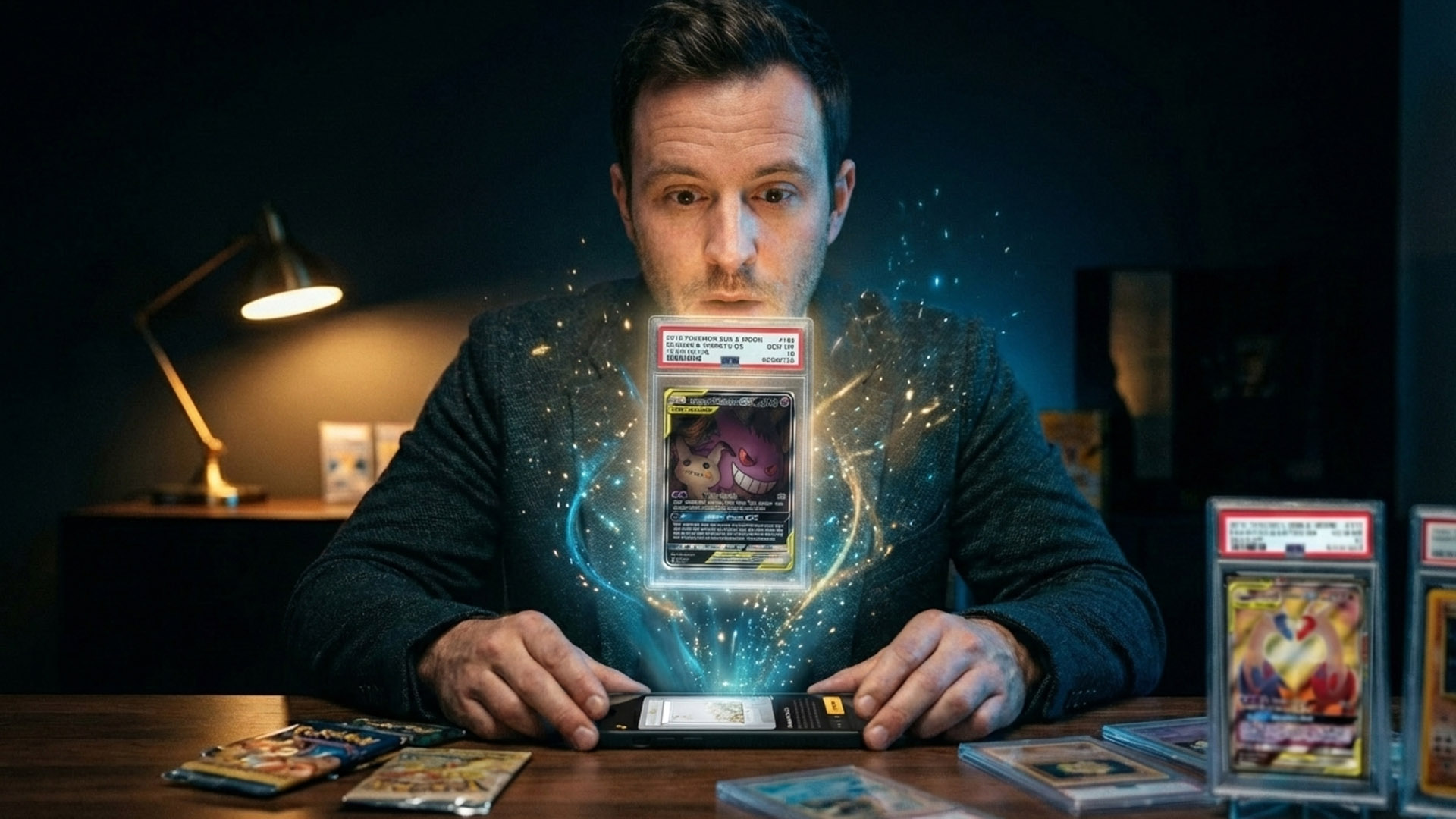
Collectors are paying attention because tokenization solves real problems.
It creates a simpler way to:
Trade globally
Avoid shipping delays
Reduce fraud risk
Access vaulted inventory
Track provenance
Buy into higher-end collectibles
It also fits naturally with where the hobby is already heading.
Collectors are becoming more comfortable with vaulting, digital marketplaces, online auctions, and buying cards they may never physically hold.
Tokenization is just the next step in that evolution.
Instead of waiting days or weeks for a transaction to settle, collectors can move ownership instantly.
Instead of shipping a grail card across the country every time it sells, it can stay safely stored while ownership changes hands onchain.
Tokenized collectibles are still early.
There are still questions around regulation, liquidity, custody, and long-term adoption.
But the direction is becoming clear.
Collectors want ownership to be easier, faster, more transparent, and more global.
That is exactly what tokenization promises.
In the same way online marketplaces changed how collectors buy and sell, tokenized collectibles may change how collectors own.
For a generation of collectors that already lives online, that future feels closer than ever.